
Category: PROFESSIONAL INTERVIEWS

  • Mastering the Art of Virtual Interviews: Tips for Success in the Remote Era

    Mastering the Art of Virtual Interviews: Tips for Success in the Remote Era

    Professional Interviews

    Mastering the Art of Virtual Interviews: Tips for Success in the Remote Era

    • By Marina Davis
    • December 12th, 2024

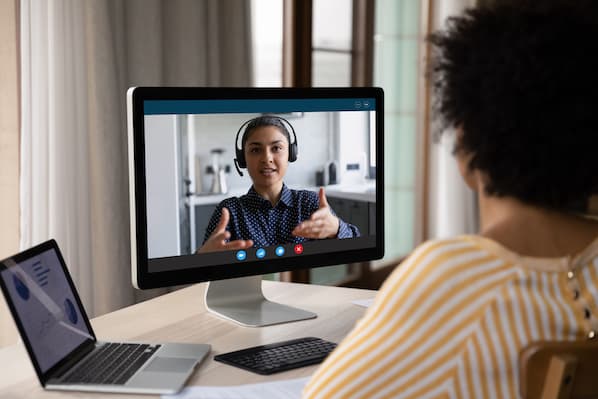
    In today’s world, virtual interviews have become the norm for many job seekers, especially as remote work continues to rise. To stand out in these digital interviews, you need to adapt your skills for a virtual environment. Here are some tips for mastering the art of virtual interviews:


    1. Test Your Tech
      Before your interview, ensure that your computer, webcam, and microphone are working properly. Run a test call with a friend to make sure everything is functioning smoothly. You don’t want technical issues to ruin your first impression.

    2. Choose the Right Environment
      Pick a quiet, well-lit space for your interview. Natural light is ideal, but if that’s not possible, invest in a good lamp or light source to ensure you’re clearly visible. Avoid distracting backgrounds, and choose a location where you won’t be interrupted.

    3. Dress Professionally (Top to Bottom)
      While it’s tempting to dress casually from the waist down, always dress as if you’re attending an in-person interview. This helps you mentally prepare for the interview and ensures you won’t be caught off-guard if you need to stand up.

    4. Make Eye Contact (Virtually)
      One of the challenges of virtual interviews is maintaining eye contact. Look directly at the camera when speaking to create the illusion of eye contact. This small change makes a big difference in conveying confidence.

    5. Prepare for Common Virtual Interview Questions
      Prepare to answer typical questions like “Tell me about yourself” and “Why do you want to work here?” but also anticipate technical questions about remote work experience and virtual collaboration tools.

    6. Stay Engaged and Focused
      In a virtual setting, it’s easy to get distracted by your surroundings or the technology itself. Stay engaged by actively listening and nodding to show you’re paying attention. Avoid checking your phone or email during the interview.

    7. Follow Up with Gratitude
      After the interview, send a thank-you email, just as you would in a traditional setting. Express your gratitude for the opportunity and briefly reiterate your enthusiasm for the role.


    Mastering virtual interviews requires preparation, focus, and adaptability. By following these tips, you can ensure you present your best self, no matter the medium.
  • How to Talk About Your Study Abroad Experience in Professional Interviews

    How to Talk About Your Study Abroad Experience in Professional Interviews

    Professional Interviews

    How to Talk About Your Study Abroad Experience in Professional Interviews

    • By Marina Davis
    • December 4th, 2024

    Your study abroad experience is more than just a personal milestone—it’s a professional asset. Whether you gained language skills, navigated cultural differences, or adapted to new environments, these experiences demonstrate qualities that employers value. Here’s how to highlight your time abroad in a way that sets you apart during job interviews.

    1. Focus on Transferable Skills


    Studying abroad helps you build skills that are valuable in any workplace, such as:


    • Adaptability: Thriving in a new culture or academic system.
    • Problem-Solving: Handling challenges like language barriers or unfamiliar environments.
    • Collaboration: Working effectively with people from diverse backgrounds.


    Example: “In Seville, I worked with local businesses as part of an internship program. Coordinating marketing efforts with Spanish-speaking colleagues taught me adaptability and teamwork in a multicultural environment.”


    2. Align with Job Requirements


    Tailor your examples to the job. Highlight how your study abroad experience aligns with the role’s needs. For example:


    • For a project management position, talk about organizing group projects abroad.
    • For a communication role, mention presenting ideas in another language or cultural context.


    Example: “In Lyon, I joined a business case study group with students from four different countries. Navigating varying cultural perspectives sharpened my communication and negotiation skills—perfect for a client-facing role.”


    3. Showcase Cultural Competence


    Employers value candidates who thrive in diverse environments. Demonstrate how you gained cultural awareness during your time abroad.


    Example: “While living in Bologna, I volunteered at a community event celebrating local traditions. Interacting with Italian participants taught me how to respect cultural norms and strengthened my ability to connect with people from different backgrounds.”


    4. Share a Specific Story


    Memorable stories resonate with employers. Share a challenge or meaningful experience from your study abroad and explain how you handled it.


    Example: “During my semester in Lyon, a last-minute change in a group project required me to step up and lead the presentation. I organized tasks, ensured everyone was prepared, and delivered a successful presentation in French, showcasing my leadership and language skills.”


    5. Highlight Personal Growth


    Employers appreciate candidates who reflect on their experiences and show growth. Discuss how studying abroad made you more resourceful and resilient.


    Example: “My time in Seville taught me how to adapt to unexpected situations, like when I navigated transportation strikes to maintain my internship commitments. It reinforced my ability to stay focused under pressure.”


    6. Prepare for Common Questions


    Be ready for interviewers to ask questions such as:


    • “Why did you choose to study abroad?”
    • “What did you learn from your experience?”
    • “How has it prepared you for this role?”
    •  

    Connect your answers to the job and show how your experience shaped you as a professional.

    Final Tip: Keep It Professional


    While it’s tempting to share travel anecdotes, focus on academic and professional aspects of your time abroad. Employers care more about the skills and insights you gained than about your sightseeing adventures.