Author: Marina Davis

  • Lyon’s Secret Gardens: Where to Find Peace in the City

    Lyon’s Secret Gardens: Where to Find Peace in the City

    about lyon

    Lyon’s Secret Gardens: Where to Find Peace in the City

    • By Marina
    • December  13th, 2024

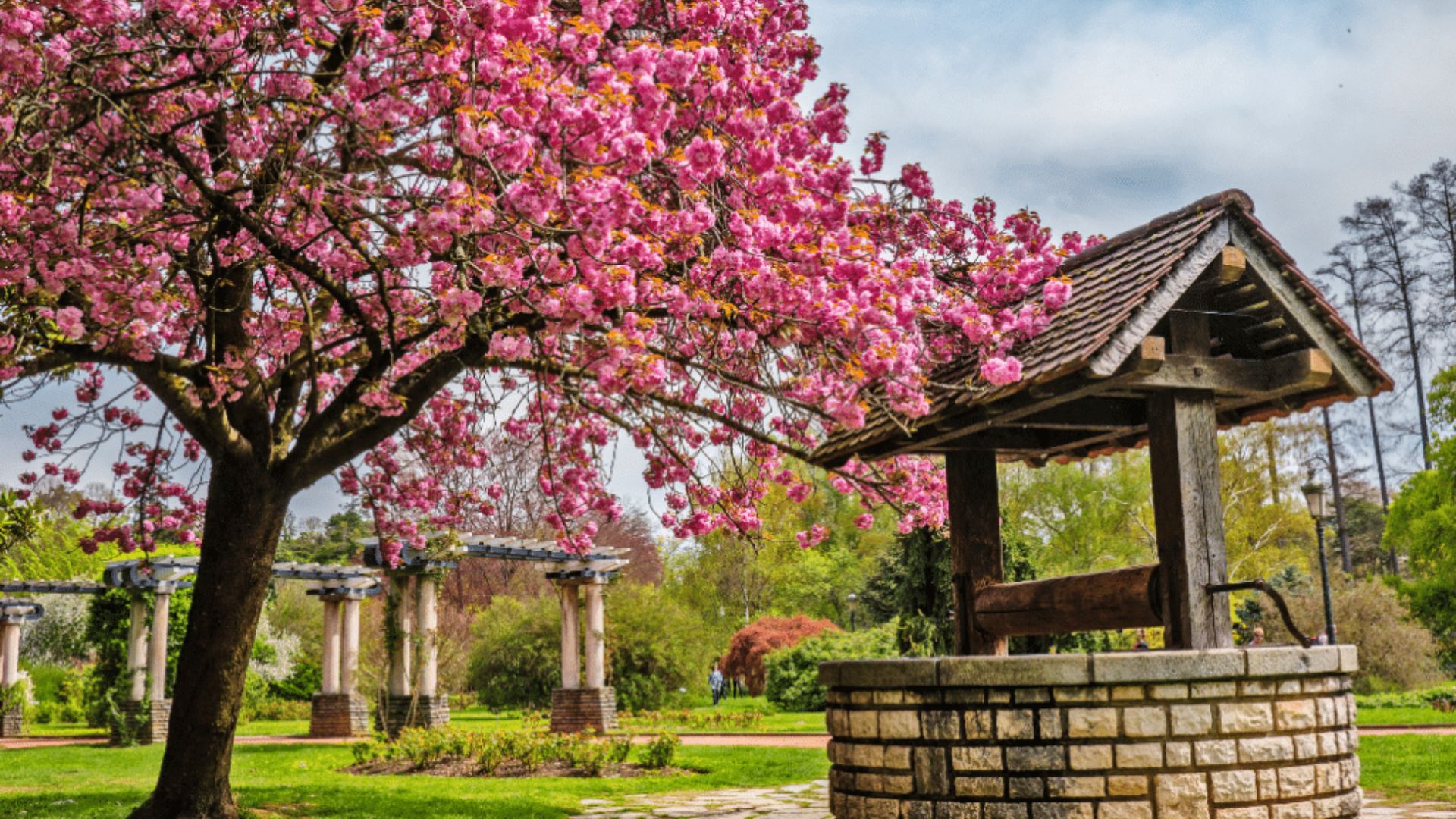
    Known for its stunning architecture, historical landmarks, and culinary prowess, Lyon is often celebrated for its urban charm. Yet beyond its bustling streets and lively cafés lies a quieter, more serene side: its secret gardens. These peaceful havens offer a perfect escape from the urban rush, ideal for moments of tranquility.
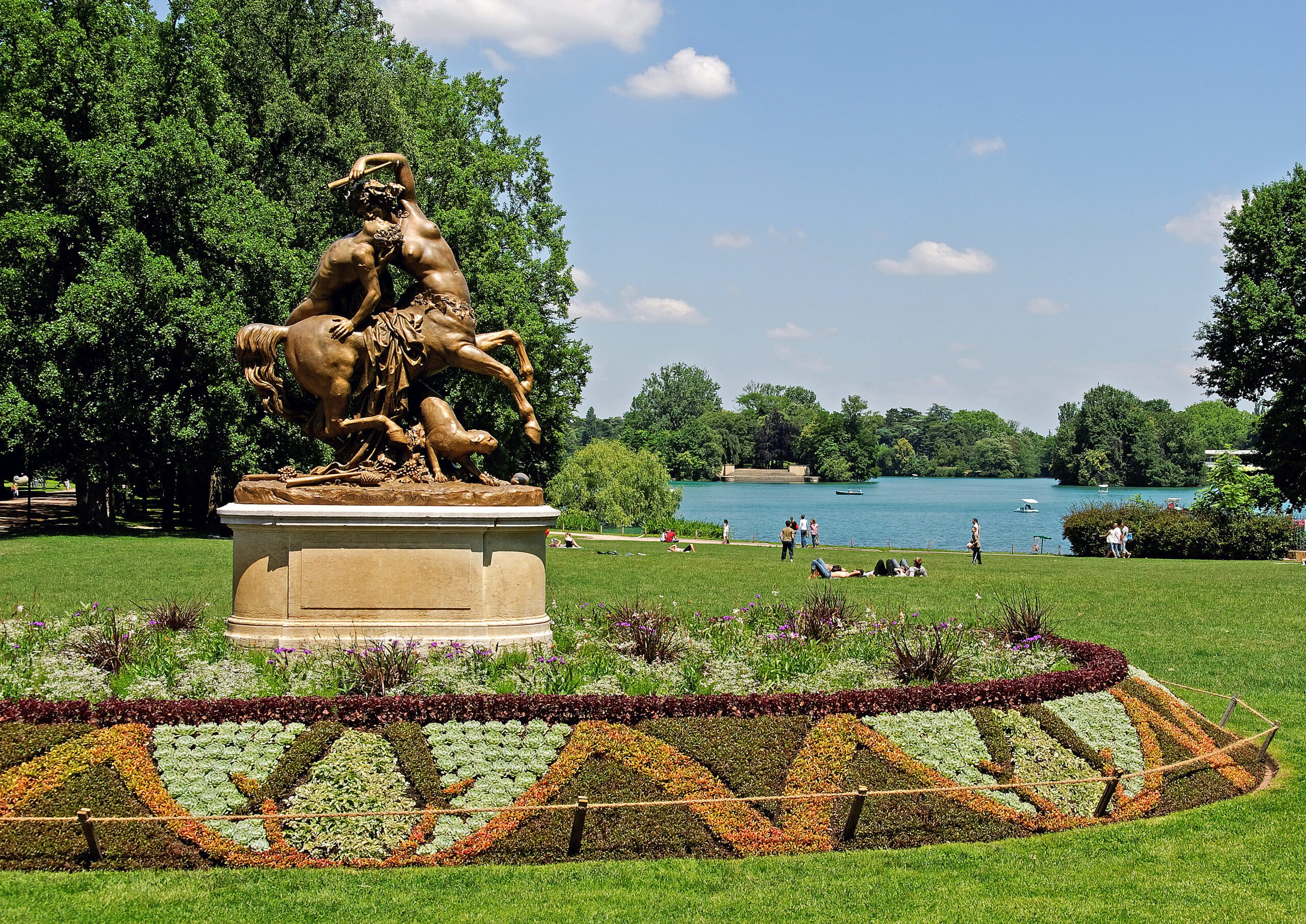
     

    Parc de la Tête d’Or: Lyon’s largest and most famous park, this 290-acre space houses serene lakes, botanical gardens, and lush green lawns. The park’s rose garden and the nearby zoo are among its top attractions. A stroll through the park offers visitors a respite from the fast-paced city life, making it one of the best places to relax in Lyon.
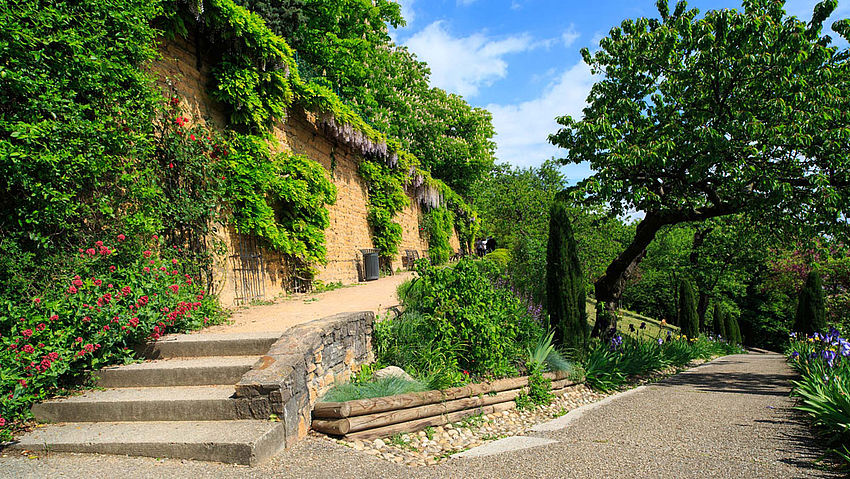


    Les Jardins du Rosaire: Located near the Basilica of Notre-Dame de Fourvière, this peaceful garden offers panoramic views of the city. The beautifully landscaped space is perfect for unwinding and taking in Lyon’s breathtaking skyline.
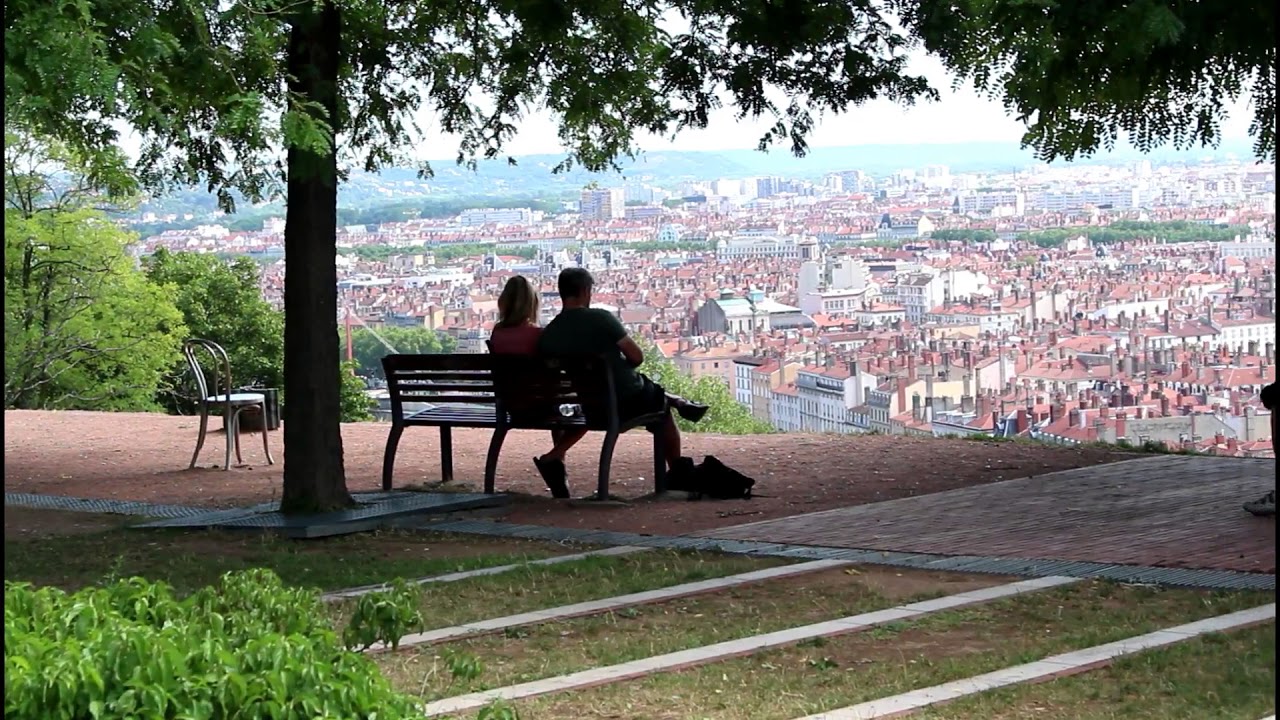


    Jardin des Curiosités: Perched on the hills of Croix-Rousse, this hidden gem is often overlooked by tourists. With its beautiful view of the city and a tranquil atmosphere, it’s a great spot for locals to gather, read a book, or simply enjoy the beauty of nature.
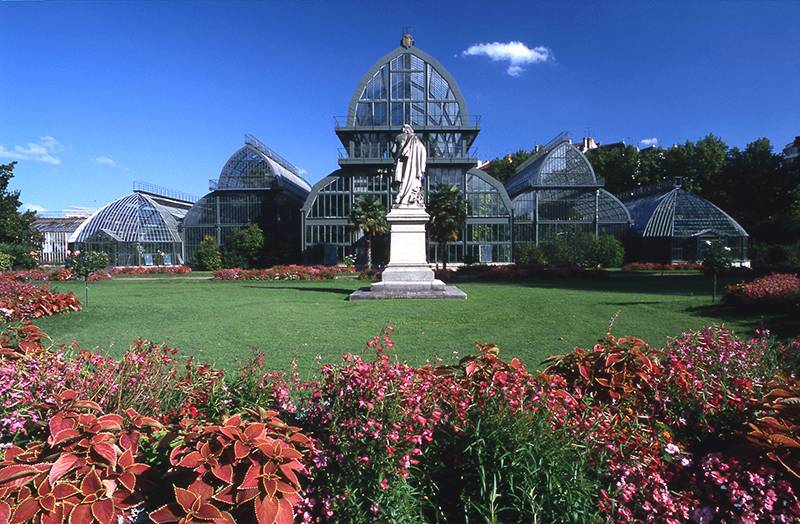


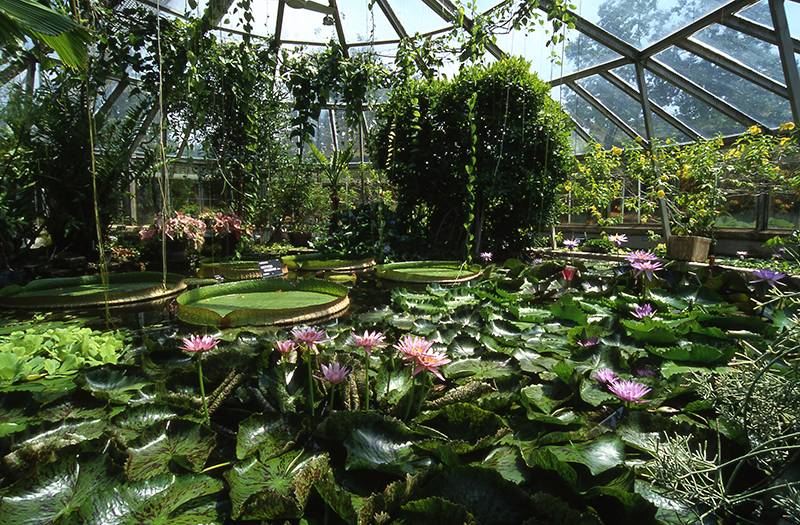
    Jardin Botanique de la Ville de Lyon: This botanical garden, situated inside Parc de la Tête d’Or, is a must-visit for plant lovers. With over 15,000 species, it’s a peaceful environment to explore a wide range of plants and flowers, all while surrounded by the soothing sound of nature.
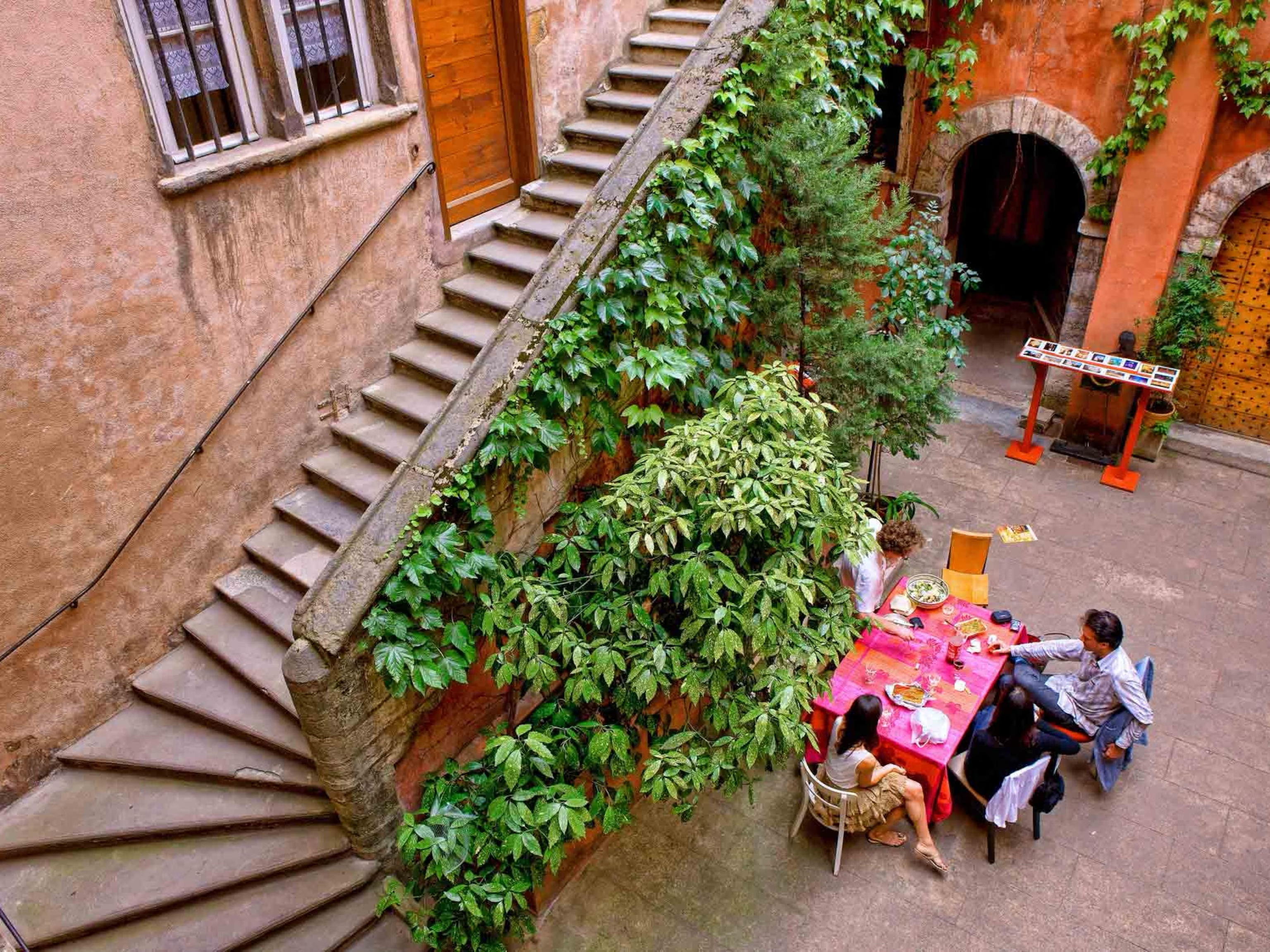


    Secret Courtyards in Vieux Lyon: Wander through the historic streets of Vieux Lyon, and you’ll discover a number of hidden courtyards and peaceful passageways. These secret gardens provide a quiet escape in the heart of the old town, offering visitors a sense of stepping back in time.


    Lyon’s secret gardens showcase the city’s commitment to balancing urban living with nature. They provide the perfect blend of relaxation and natural beauty, offering visitors the opportunity to recharge and experience the serene side of Lyon.
  • Why Bologna is Called ‘La Grassa, La Dotta, and La Rossa’

    Why Bologna is Called ‘La Grassa, La Dotta, and La Rossa’

    about Bologna

    Why Bologna is Called ‘La Grassa, La Dotta, and La Rossa’

    • By Marina
    • December  13th, 2024

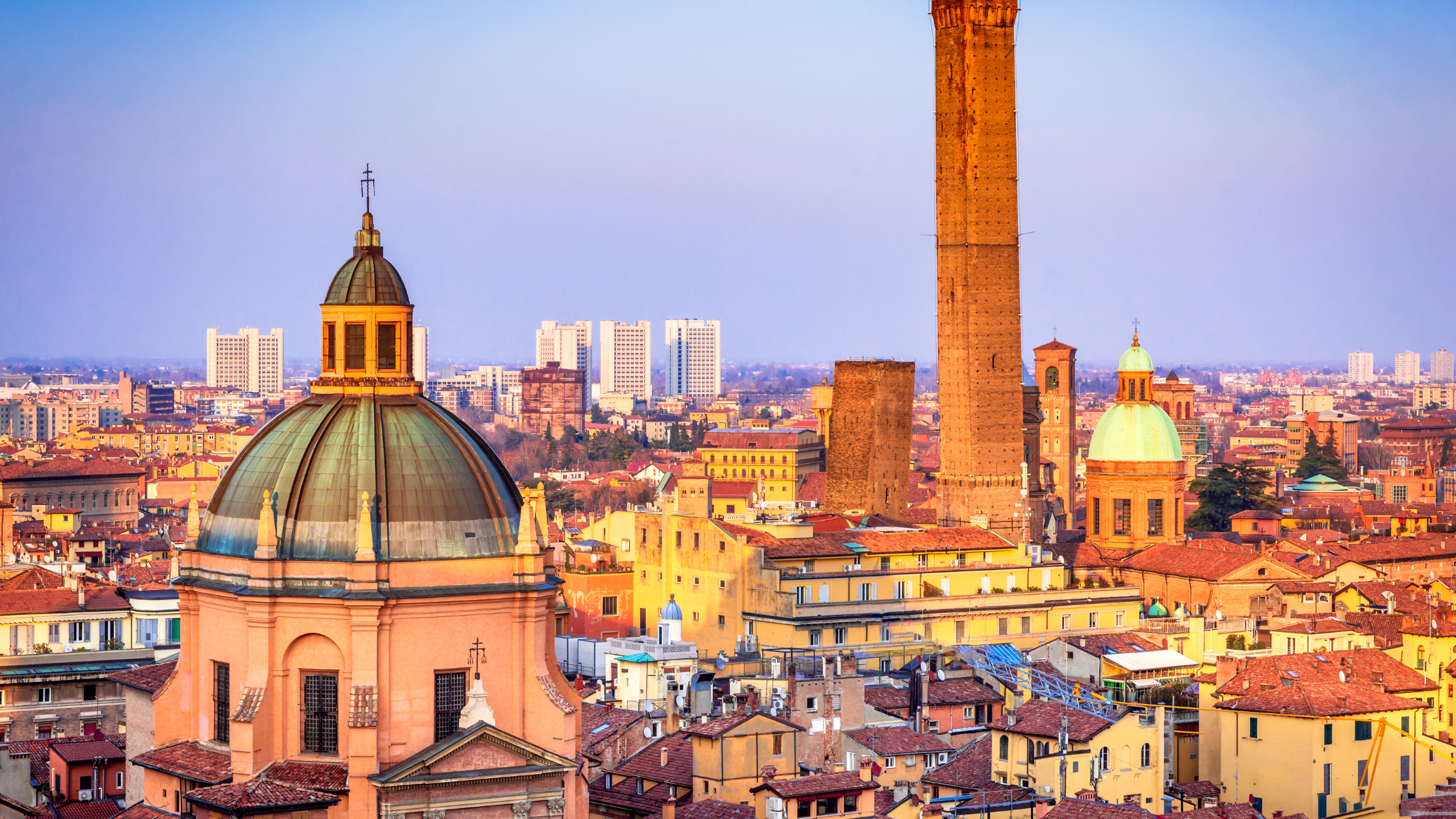
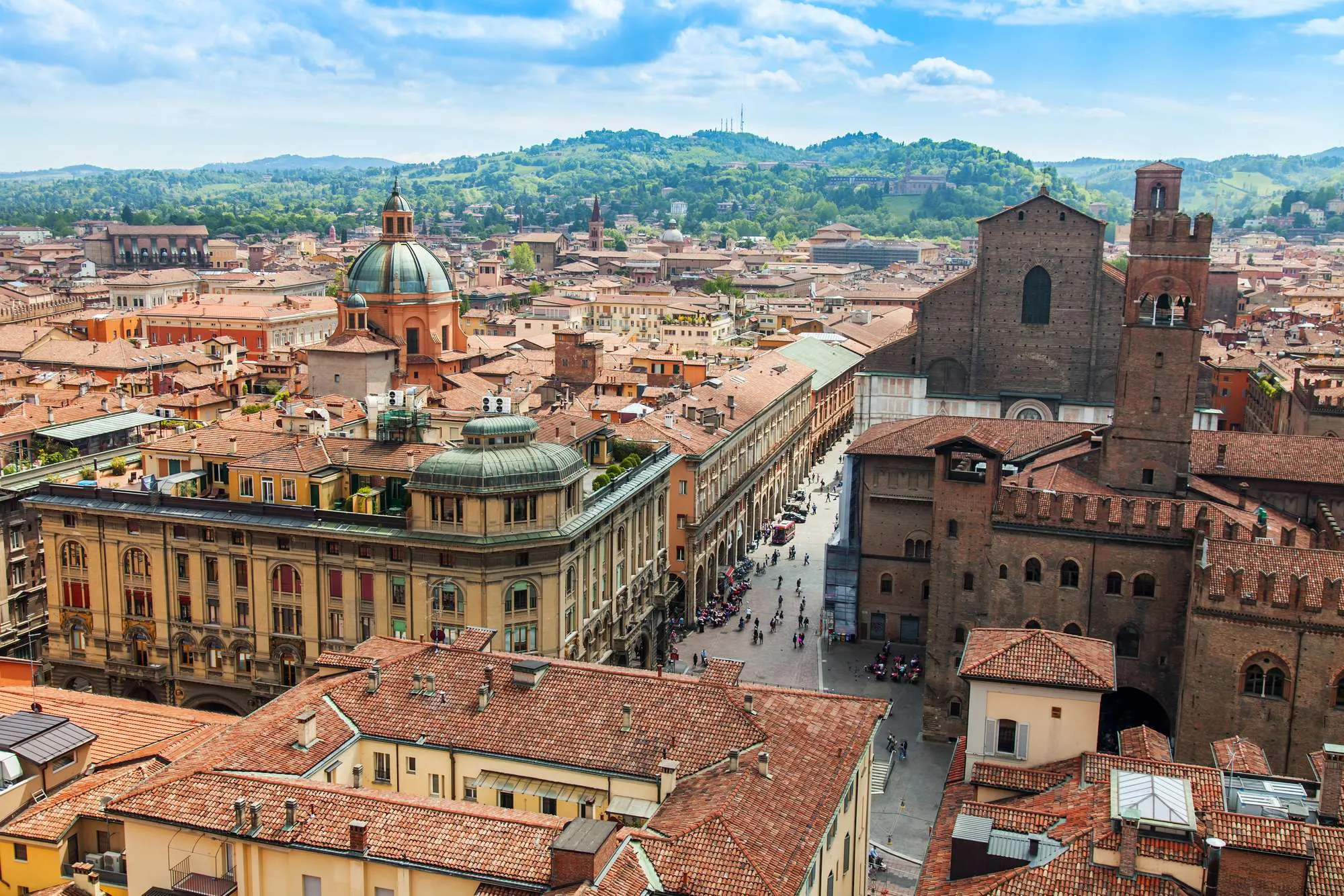
    Bologna, a city in northern Italy, is famous for its rich cultural heritage, historical significance, and its place as a hub of food and learning. Known as ‘La Grassa, La Dotta, and La Rossa,’ Bologna lives up to its reputation in all three aspects, each of these nicknames shedding light on a different facet of the city.


    La Grassa (The Fat One): Bologna is renowned for its culinary heritage. The city is the birthplace of iconic Italian dishes such as tagliatelle al ragù (better known globally as Bolognese sauce) and tortellini. The rich, hearty flavors of Bologna’s food scene make it a true gastronomic capital. Visitors can indulge in local delicacies like mortadella, a type of Italian sausage, or visit the famous Quadrilatero market for fresh, authentic ingredients.


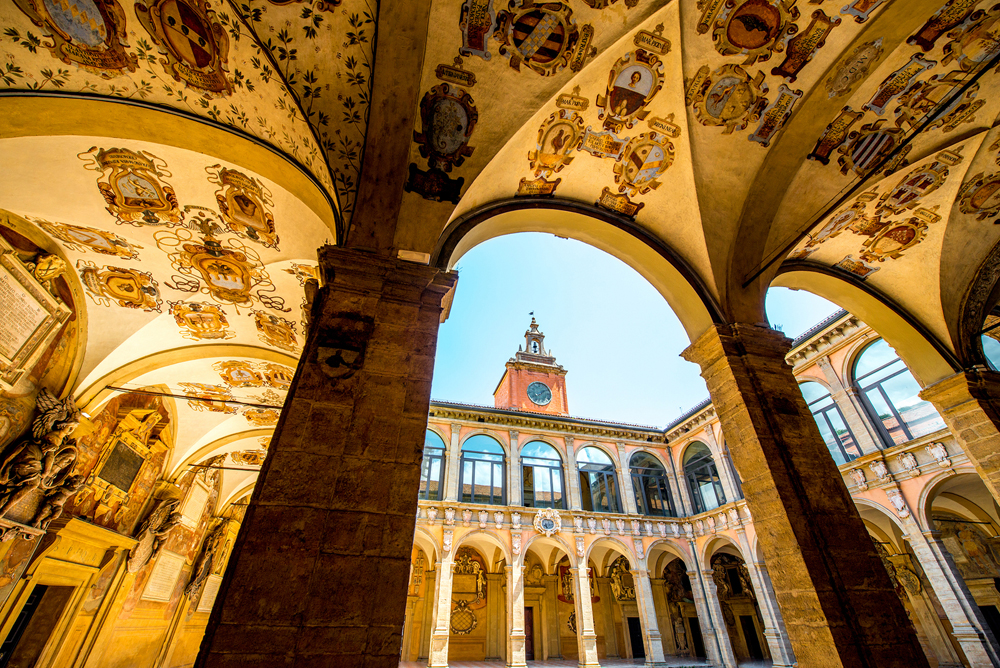
    La Dotta (The Learned One): Bologna is home to the oldest university in the world, founded in 1088. The University of Bologna has been a center of intellectual growth for centuries, attracting scholars and students from all over the globe. The city’s vibrant academic life contributes to its atmosphere of intellectual curiosity, with libraries, historic lecture halls, and medieval architecture enriching the city’s landscape.


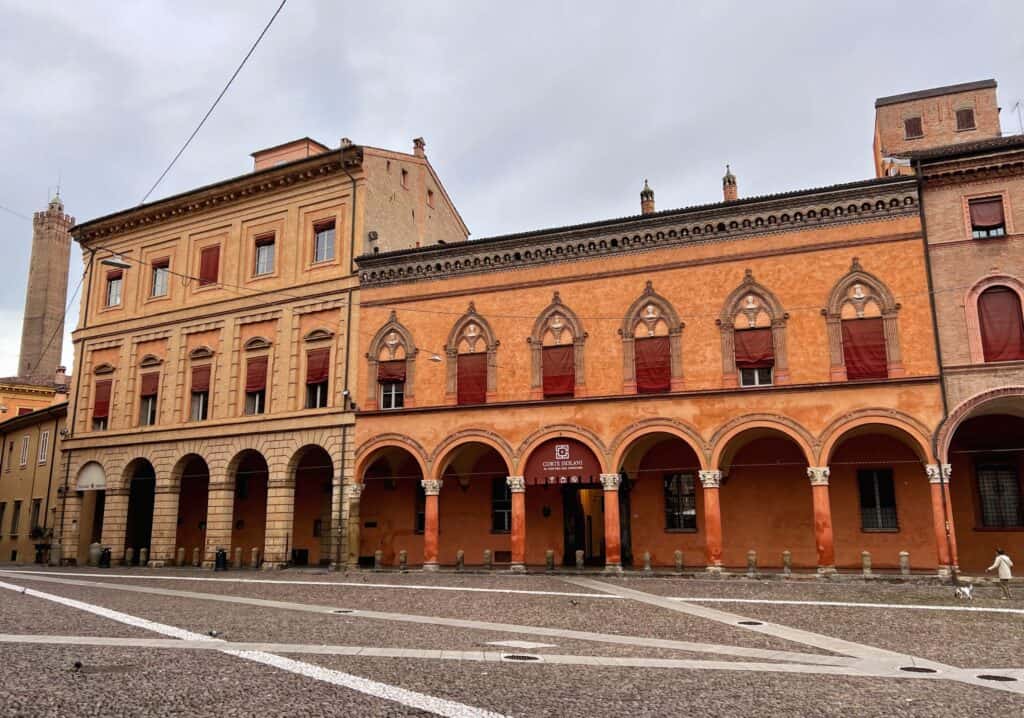
    • La Rossa (The Red One): Bologna’s red brick buildings give the city its distinctive appearance, and the nickname ‘La Rossa’ refers to both the color of its buildings and its political history. The city has been historically linked to the Italian left, with its red rooftops symbolizing the city’s progressive stance. The vibrant colors of Bologna’s architecture contribute to its warm, inviting atmosphere.


    Bologna’s triple nickname encapsulates the essence of the city. Its food, its intellectual legacy, and its political history combine to make it a truly unique place in Italy, one that offers visitors a deep dive into the rich culture and traditions that define it. 

  • Mastering the Art of Virtual Interviews: Tips for Success in the Remote Era

    Mastering the Art of Virtual Interviews: Tips for Success in the Remote Era

    Professional Interviews

    Mastering the Art of Virtual Interviews: Tips for Success in the Remote Era

    • By Marina Davis
    • December 12th, 2024

    In today’s world, virtual interviews have become the norm for many job seekers, especially as remote work continues to rise. To stand out in these digital interviews, you need to adapt your skills for a virtual environment. Here are some tips for mastering the art of virtual interviews:


    1. Test Your Tech
      Before your interview, ensure that your computer, webcam, and microphone are working properly. Run a test call with a friend to make sure everything is functioning smoothly. You don’t want technical issues to ruin your first impression.

    2. Choose the Right Environment
      Pick a quiet, well-lit space for your interview. Natural light is ideal, but if that’s not possible, invest in a good lamp or light source to ensure you’re clearly visible. Avoid distracting backgrounds, and choose a location where you won’t be interrupted.

    3. Dress Professionally (Top to Bottom)
      While it’s tempting to dress casually from the waist down, always dress as if you’re attending an in-person interview. This helps you mentally prepare for the interview and ensures you won’t be caught off-guard if you need to stand up.

    4. Make Eye Contact (Virtually)
      One of the challenges of virtual interviews is maintaining eye contact. Look directly at the camera when speaking to create the illusion of eye contact. This small change makes a big difference in conveying confidence.

    5. Prepare for Common Virtual Interview Questions
      Prepare to answer typical questions like “Tell me about yourself” and “Why do you want to work here?” but also anticipate technical questions about remote work experience and virtual collaboration tools.

    6. Stay Engaged and Focused
      In a virtual setting, it’s easy to get distracted by your surroundings or the technology itself. Stay engaged by actively listening and nodding to show you’re paying attention. Avoid checking your phone or email during the interview.

    7. Follow Up with Gratitude
      After the interview, send a thank-you email, just as you would in a traditional setting. Express your gratitude for the opportunity and briefly reiterate your enthusiasm for the role.


    Mastering virtual interviews requires preparation, focus, and adaptability. By following these tips, you can ensure you present your best self, no matter the medium.

  • Hydration, Hydration, Hydration: The Key to a Healthy Study Abroad Experience

    Hydration, Hydration, Hydration: The Key to a Healthy Study Abroad Experience

    health and safety

    Hydration, Hydration, Hydration: The Key to a Healthy Study Abroad Experience

    • By Marina Davis
    • December 12th, 2024

    When you’re studying abroad, whether you’re exploring the historic streets of Seville or enjoying the vibrant culture of Bologna, staying hydrated is essential for maintaining your energy and overall health. Dehydration can sneak up on you, especially when you’re adjusting to a new climate, spending long hours exploring, or walking through the city. So why is hydration so crucial, and how can you make sure you’re getting enough water? Let’s dive in.

    1. Hydration Boosts Your Energy and Focus When you’re out and about, whether attending classes, interning, or sightseeing, staying hydrated helps keep your energy levels up. Lack of hydration can lead to tiredness, headaches, and poor concentration, which can affect your performance in both academic and personal activities. So, remember: a hydrated body is a more focused and energized one!


    2. Combat the Heat in Warm Climates In warmer locations like Seville, hydration is even more crucial. The intense sun and heat can quickly lead to dehydration if you’re not careful. Carrying a refillable water bottle with you is a great way to make sure you’re drinking enough water throughout the day. If you’re spending time outdoors or walking for long periods, aim to take small sips regularly.


    3. Hydrate to Beat Jet Lag Jet lag can be a tough adjustment when arriving in a new country. One of the best ways to combat fatigue is by staying hydrated. Water helps your body adjust to the new time zone and reduces the symptoms of jet lag, such as dizziness and confusion. Aim to drink water before, during, and after your flight to keep your body well-balanced.


    4. Water Helps with the Local Cuisine When indulging in delicious local foods, like a traditional Italian pizza in Bologna or fresh tapas in Seville, water is your best companion. Hydration helps balance out the rich and sometimes salty flavors, aids digestion, and helps you feel your best as you savor every bite.


    5. Remember to Drink More Than Just Water While water is the best hydrator, you can also keep yourself hydrated with other options. Fresh juices, coconut water, and herbal teas are also great choices. In some countries, like Spain, it’s common to drink chilled agua con gas (sparkling water) or agua sin gas (still water) with meals, which can add variety to your hydration routine.


    Quick Hydration Tips:

    • Always carry a reusable water bottle, especially if you’re out exploring a city.
    • Aim to drink at least 8 cups of water a day (this may vary depending on your activity levels).
    • If you’re feeling thirsty, that’s your body’s first signal that you need to hydrate—don’t wait until you’re parched.
    • Drink more water if you’re spending a lot of time outdoors, especially in warm climates.
    •  

    Staying hydrated isn’t just a suggestion; it’s a vital part of enjoying your study abroad experience to the fullest. Your body will thank you for the extra care, and you’ll feel more energized and ready to take on everything your new destination has to offer!

  • 5 Must-See Hidden Gems in Seville

    5 Must-See Hidden Gems in Seville

    about seville

    5 Must-See Hidden Gems in Seville

    • By Marina
    • December  12th, 2024

    Seville is more than its iconic landmarks like the Giralda, Alcázar, and Plaza de España. Tucked away in its vibrant streets and alleyways are hidden treasures waiting to be discovered. Whether you’re a seasoned traveler or visiting for the first time, these lesser-known spots offer a unique glimpse into the heart of the city.


    1. Triana Market


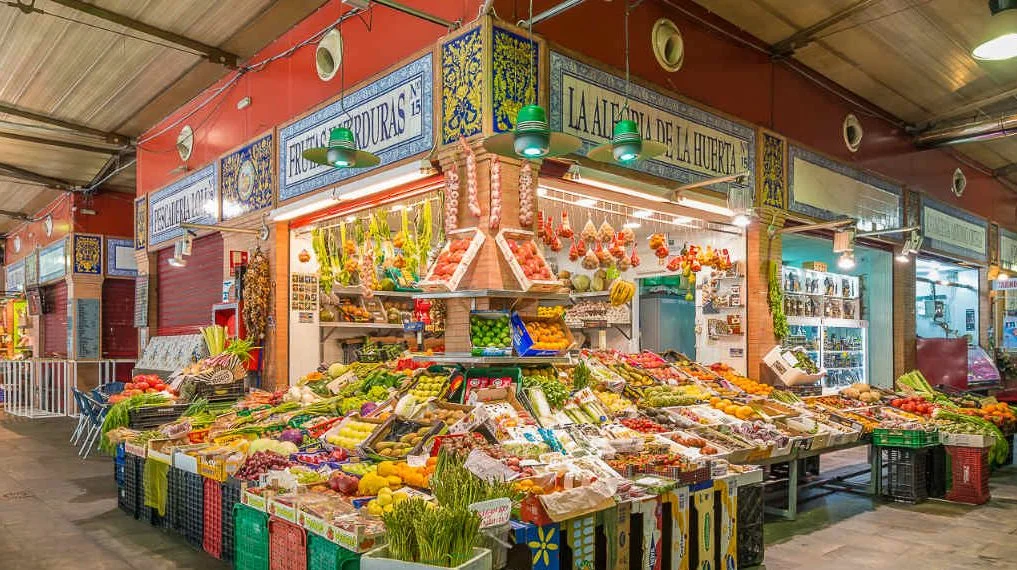
    Located in the vibrant Triana district, the Triana Market is a bustling hub of local life and a must-visit for food lovers. Built on the site of an ancient castle, this market offers fresh produce, artisanal goods, and delicious tapas. It’s the perfect spot to explore Seville’s culinary traditions and indulge in local specialties, such as Iberian ham and fresh seafood. The market’s lively atmosphere is especially charming in the morning, when locals come to do their shopping, but it’s important to note that the market closes at 3 p.m., so be sure to visit early to experience it at its best. Afterward, you can explore the surrounding Triana neighborhood for even more local flavor and vibrant street life.


    2. Palacio de las Dueñas


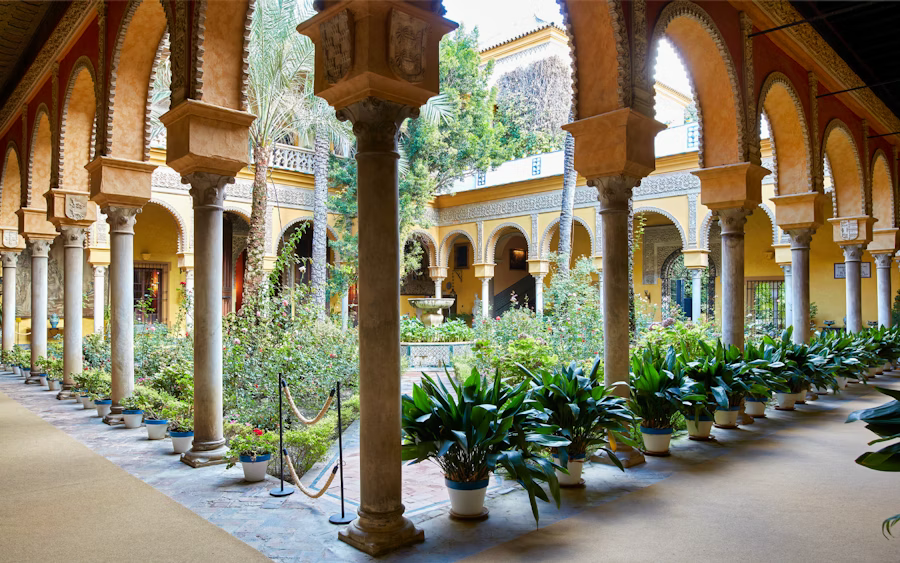
    A stunning 15th-century mansion, Palacio de las Dueñas is a testament to Seville’s aristocratic history. This palatial home features a blend of architectural styles, from Gothic to Renaissance, with exquisite rooms, patios, and gardens. The palace is especially significant because it was the residence of the famous Duchess of Alba, a beloved figure in Spain’s high society. The elegant courtyards, decorative tiles, and antique furniture offer visitors a glimpse into the city’s rich cultural past. The palace’s tranquil gardens are perfect for escaping the hustle and bustle of the city.

    3. Casa de Pilatos


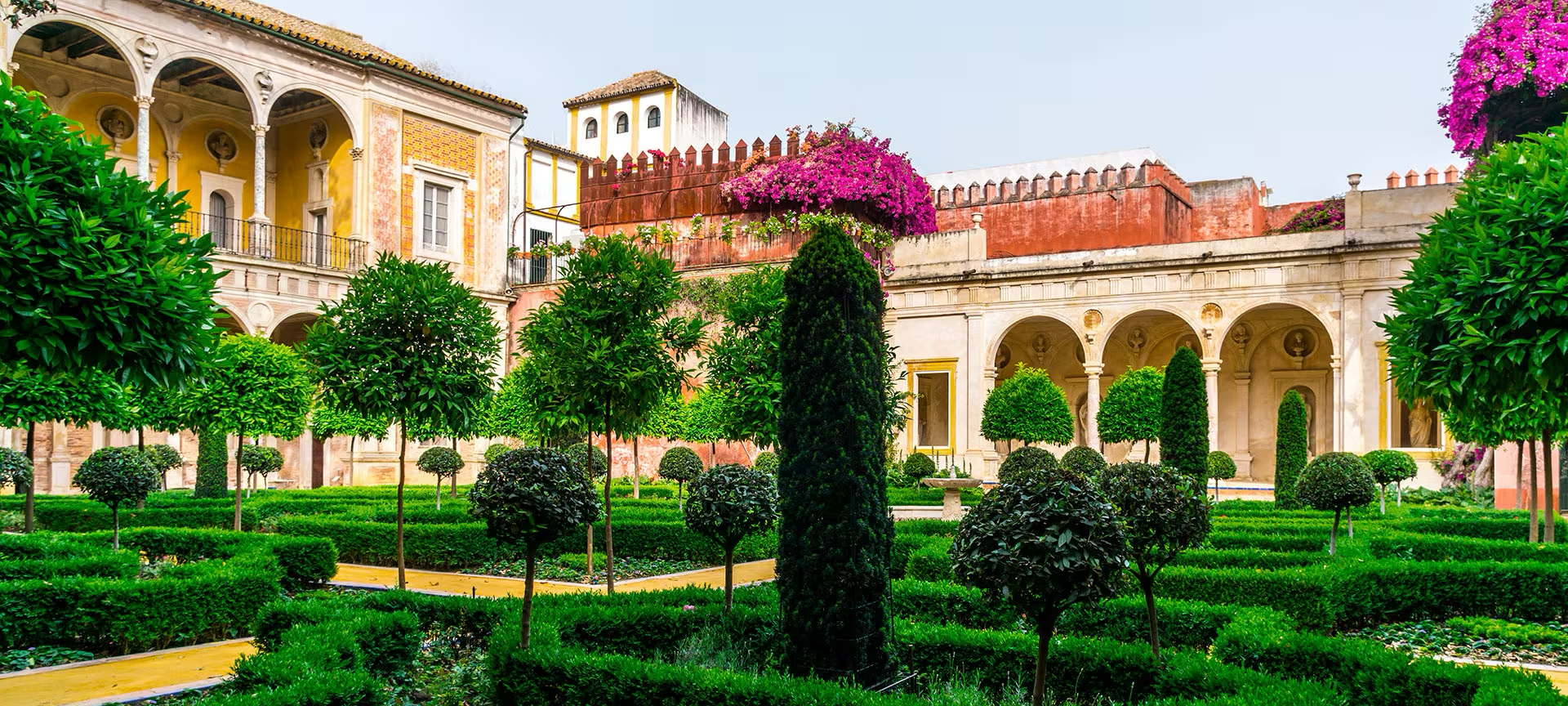
    A mix of Renaissance, Mudéjar, and Gothic styles, Casa de Pilatos is a beautiful mansion that offers a fascinating look at Seville’s artistic and architectural diversity. The house is adorned with intricate tile work, grand columns, and stunning courtyards filled with flowers. One of its most striking features is its fusion of different cultural influences, from the Roman-inspired columns to the Islamic-style arches. It is often less crowded than other Seville landmarks, making it an ideal spot for those looking for a peaceful cultural experience. The mansion’s lush gardens provide a serene space for visitors to unwind.


    4. Plaza del Cabildo


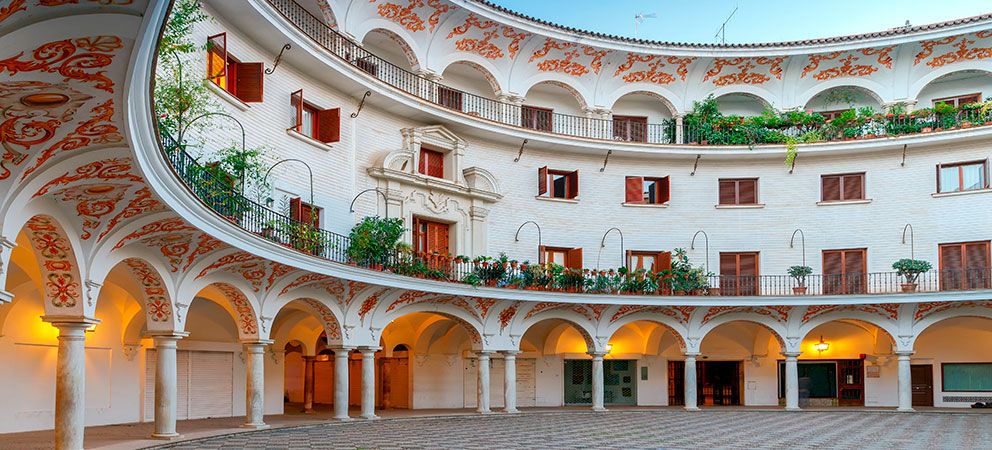
    Nestled just behind Seville’s Cathedral, Plaza del Cabildo is a hidden treasure often overlooked by tourists. This semi-circular plaza is a quiet and peaceful oasis in the heart of the city. Its beautiful architecture and serene atmosphere make it a perfect spot for reflection and relaxation. On Sundays, the plaza comes to life with a small flea market where you can find antique coins, stamps, and other collectibles. The Plaza del Cabildo offers a contrast to the more crowded tourist attractions, providing a perfect escape from the city’s busier areas.


    5. Convento de San Leandro


    A hidden gem for discovering Seville’s famous “dulces de las monjas” is the Convento de San Leandro. Located in the heart of the city near the Alameda de Hércules, this historic convent has been baking its signature yemas de San Leandro for centuries. These sweet, egg-based confections are delicately flavored with almonds and sugar, offering a taste of Seville’s religious culinary tradition. The nuns here sell these treats through a small window, where you can purchase them directly and experience a truly authentic part of Seville’s gastronomic history. It’s a unique and charming spot that feels like a well-kept secret, adding a sweet touch to your exploration of the city.


    These five hidden gems showcase the rich cultural, architectural, and historical diversity of Seville, offering a mix of tranquility and discovery for visitors looking to explore beyond the typical tourist routes.


  • 5 Common Passport Issues and How to Solve Them

    5 Common Passport Issues and How to Solve Them

    PASSPORT AND VISA

    5 Common Passport Issues and How to Solve Them

    • By Marina
    • December 9th, 2024

    Your passport is your key to exploring the world, but managing it while abroad can sometimes be stressful. Here’s a quick guide to common passport issues and how to handle them like a pro:

    1. Losing Your Passport


    This is every traveler’s worst nightmare, but it’s fixable!


    Solution:

    • Immediately contact your program coordinator for guidance.
    • File a police report to document the loss.
    • Visit the nearest embassy or consulate with a copy of your passport (always keep one in a separate place!).


    2. Expired Passport


    Double-check expiration dates before traveling; some countries require six months’ validity beyond your travel dates.


    Solution:

    • Renew your passport well in advance.
    • If you’re already abroad, book an appointment at your nearest embassy or consulate for an emergency renewal.

    3. Damaged Passport


    Even small tears or water damage can make your passport invalid.


    Solution:

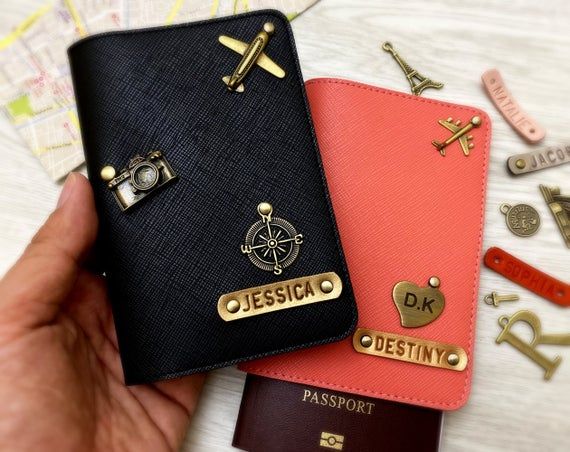
    • Treat your passport like gold—keep it in a waterproof case.
    • If damaged, apply for a replacement at your embassy or consulate.


    4. Running Out of Blank Pages


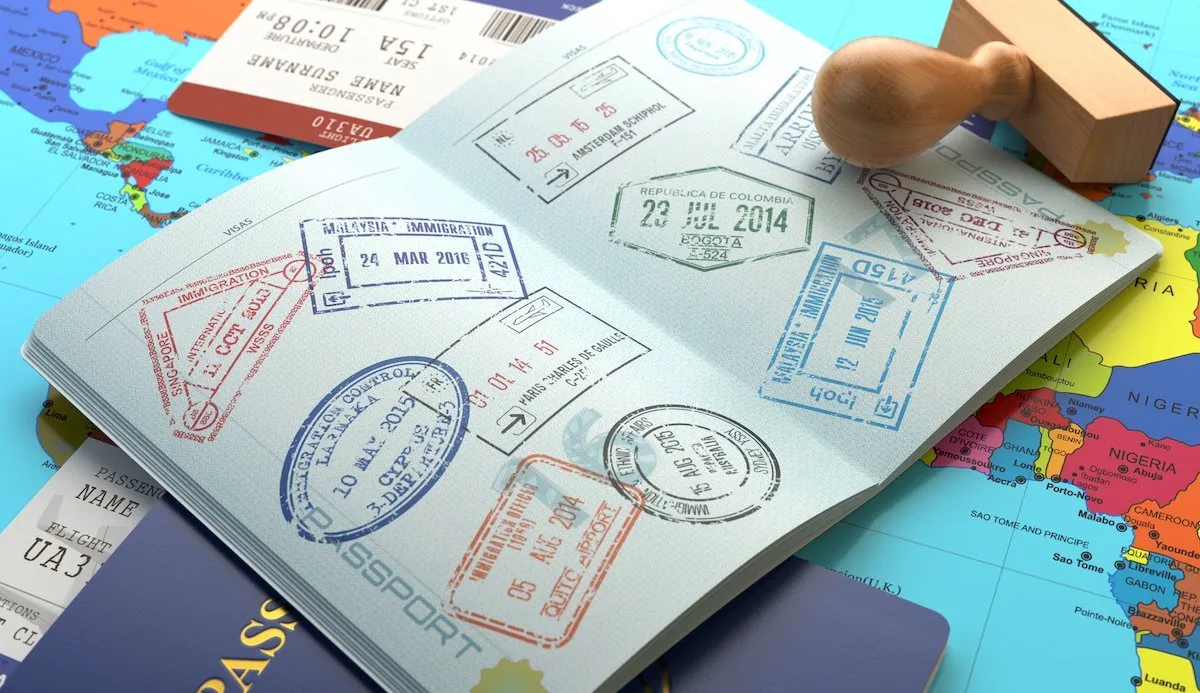
    Some countries require multiple blank pages for visa stamps or entry.


    Solution:

    • Check your passport before leaving.
    • If pages are running low, apply for a new passport before your trip.


    5. Name Changes or Incorrect Information


    Traveling under a different name than what’s on your passport (e.g., due to marriage) can cause issues.


    Solution:

    • Update your passport with correct information before traveling.
    • Carry documentation proving the change if it’s not yet reflected in your passport.


    Tips for Avoiding Passport Problems


    • Always carry a digital and physical copy of your passport.
    • Store your passport in a secure yet accessible place.
    • Regularly check your passport’s condition and expiration date.
    •  

    Having your passport in order ensures you can focus on the joy of travel without unnecessary stress. Bon voyage!