Author: Marina Davis

  • Exploring the Algarve: Sun, Sea, and Soul in Southern Portugal

    Exploring the Algarve: Sun, Sea, and Soul in Southern Portugal

    Cultural Trips

    Exploring the Algarve: Sun, Sea, and Soul in Southern Portugal

    • By Marina
    • December 6th, 2024

    Southern Portugal’s Algarve region is a dream destination for those seeking a blend of natural beauty, delicious cuisine, and unforgettable experiences. With its golden beaches, dramatic cliffs, and charming towns, the Algarve offers an adventure for every traveler. From boat tours along the coast to savoring the iconic pastel de nata, this guide will help you uncover the best of this stunning region.

    Sail into Paradise: Boat Tours Along the Coast


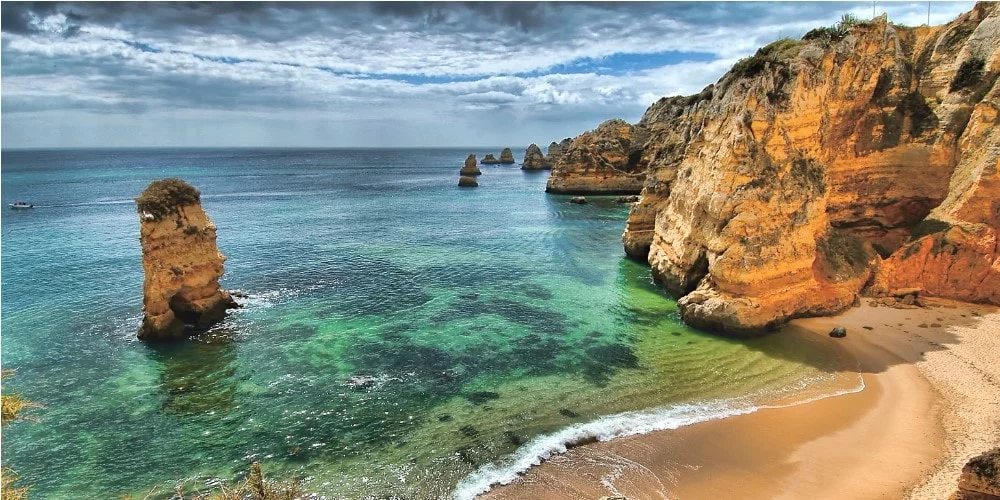
    One of the Algarve’s most magical experiences is exploring its coastline by boat. Embark on a tour to discover hidden caves, striking rock formations, and secluded beaches. The famous Benagil Cave is a must-see, with its iconic sunlit dome creating a surreal atmosphere. For thrill-seekers, kayaking or paddleboarding through these waters provides a more hands-on adventure.


    Savor the Flavors of the Algarve


    No trip to Portugal is complete without indulging in the pastel de nata, a creamy custard tart nestled in a flaky crust. Pair it with a strong espresso for an authentic Portuguese treat. Seafood lovers will find paradise in the Algarve’s fresh offerings, such as grilled sardines or cataplana, a rich seafood stew. Be sure to enjoy your meal with a view of the Atlantic—it’s an experience that feeds both body and soul


    Beach Bliss and Beyond


    The Algarve is home to some of Europe’s most beautiful beaches. From the bustling Praia da Rocha to the tranquil Praia do Camilo, there’s a stretch of sand for every mood. If you’re up for an adventure, hike the coastal trails for panoramic views of turquoise waters meeting rugged cliffs.

    “The Algarve isn’t just a destination; it’s a feeling—a place where the sea sings, the sun warms your soul, and every bite of pastel de nata tastes like pure joy.”


    Immerse Yourself in Portuguese Charm


    Venture beyond the coastline to explore the Algarve’s picturesque towns. Stroll through the cobblestone streets of Lagos, where history meets modern vibrance. Visit Silves, a town steeped in Moorish history, and climb its ancient castle for sweeping views.


    Why Visit the Algarve?


    The Algarve is more than a destination—it’s an invitation to slow down and savor life’s simple pleasures. Whether you’re cruising the waters, tasting traditional delights, or soaking up the sun on a golden beach, southern Portugal promises a rich and unforgettable experience.


    Final Thoughts


    The Algarve is a perfect addition to any European adventure. Its natural beauty, culinary delights, and warm hospitality will leave you with memories to treasure forever. Don’t miss the chance to discover this sunny slice of paradise on your next trip abroad!
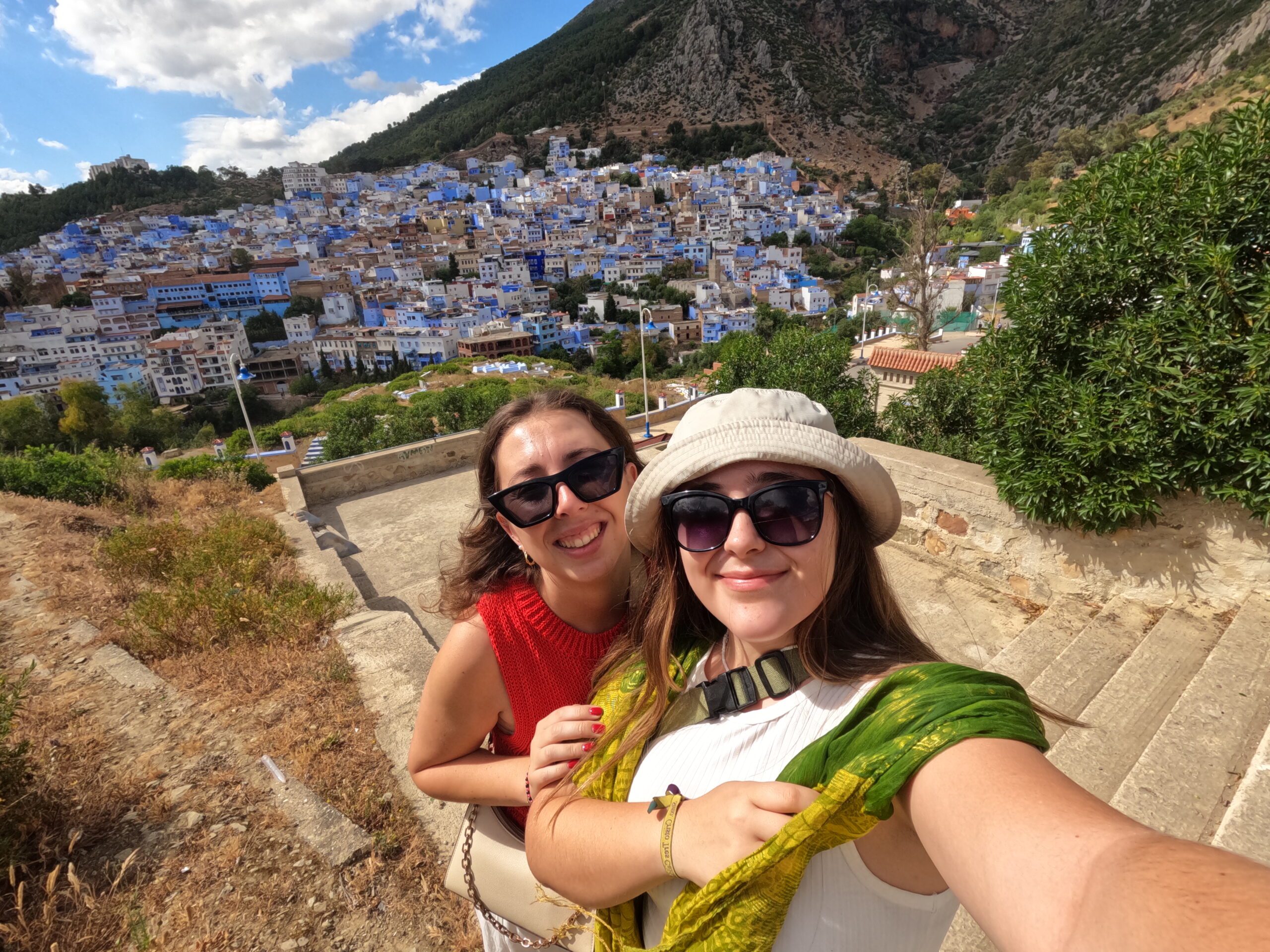
  • Exploring Morocco: A Journey to Chefchaouen’s Blue Streets

    Exploring Morocco: A Journey to Chefchaouen’s Blue Streets

    cultural trips

    Exploring Morocco: A Journey to Chefchaouen’s Blue Streets

    • By Marina
    • December 4th, 2024

    Morocco is a country known for its vibrant markets, rich history, and stunning landscapes. But one of its most unique gems is the charming town of Chefchaouen, often called the “Blue Pearl” of Morocco. Nestled in the Rif Mountains, Chefchaouen is famous for its stunning blue-painted buildings, narrow winding streets, and welcoming atmosphere. Here’s why a trip to Chefchaouen should be on your cultural adventure list.

    The Magic of Blue


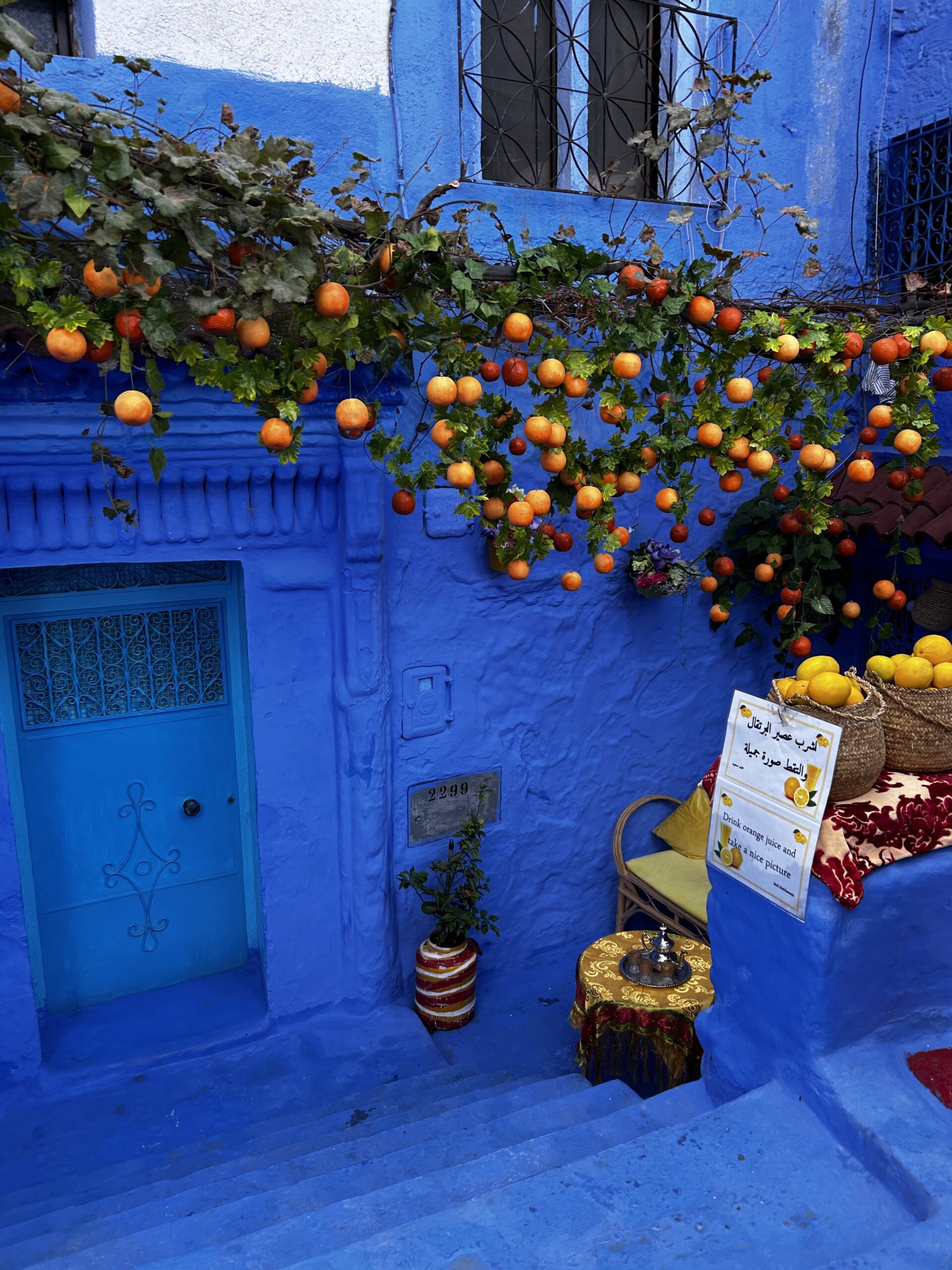
    What sets Chefchaouen apart from other Moroccan cities is its iconic blue color. The town’s walls, doors, windows, and even some of its streets are painted in varying shades of blue, creating a serene and almost dreamlike atmosphere. The tradition of painting the town blue began in the 15th century when Jewish refugees settled in the area, bringing with them the belief that the color blue symbolizes the sky and heaven. Today, the blue walls still captivate visitors and create an unforgettable visual experience.


    Explore the Medina


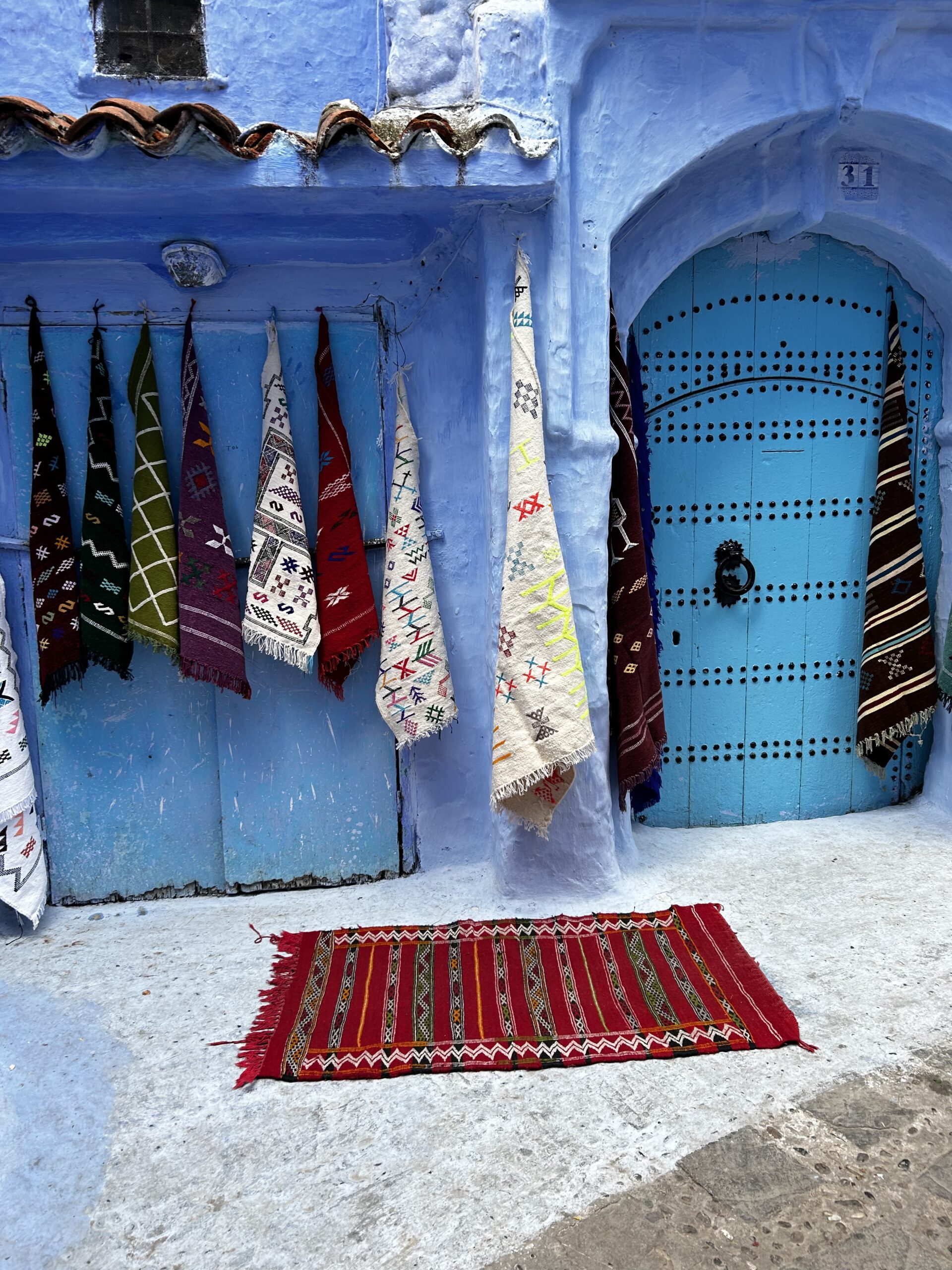
    Chefchaouen’s medina (old town) is a maze of cobblestone streets lined with artisan shops, cafes, and stalls selling everything from colorful woven rugs to handmade pottery. It’s the perfect place to immerse yourself in local life and explore Moroccan craftsmanship. Be sure to take your time wandering through the narrow lanes, where you can get lost in the sights and sounds of this vibrant community. The medina is also a great spot to buy souvenirs—whether it’s spices, traditional clothing, or leather goods, you’ll find something unique to bring home.


    A Gateway to Nature


    Chefchaouen is not only a cultural hub but also a gateway to some of Morocco’s most stunning natural landscapes. Just outside the city, you’ll find hiking opportunities in the Rif Mountains, where lush forests, waterfalls, and scenic views await. A popular hike is to the Akchour Waterfalls, a picturesque spot perfect for a day trip from the town. The combination of Chefchaouen’s colorful charm and its surrounding natural beauty offers a balanced experience of culture and adventure.


    Cultural Immersion


    While in Chefchaouen, you’ll have the opportunity to experience authentic Moroccan culture firsthand. Enjoy traditional Moroccan cuisine, like tagine (a slow-cooked stew) and couscous, at local restaurants or cafes. Don’t forget to try the famous Moroccan mint tea, often served with a sweet pastry as a gesture of hospitality. The town also offers a peaceful escape compared to the hustle and bustle of Morocco’s larger cities, giving you a more relaxed environment to connect with the local culture and its people.


    Chefchaouen’s blue streets are not just a sight to behold; they are a doorway to a culture, a story, and a peaceful way of life that invites you to slow down and truly experience Morocco.


    Final Thoughts


    Chefchaouen is more than just a picturesque destination—it’s a place where you can truly experience Moroccan culture in an intimate and immersive way. Whether you’re strolling through the blue streets, shopping for handmade crafts, or hiking through breathtaking landscapes, Chefchaouen offers an experience that is as enriching as it is unforgettable. If you’re looking for a cultural trip that blends tradition, nature, and stunning beauty, Chefchaouen should be at the top of your list.


  • How to Stay Organized and Focused While Studying Abroad

    How to Stay Organized and Focused While Studying Abroad

    Academics

    How to Stay Organized and Focused While Studying Abroad

    • By Marina
    • December 4th, 2024

    Studying abroad is an exciting adventure, but balancing academics with exploring a new culture can feel overwhelming. Staying organized and focused is key to making the most of your experience without stress. Here’s how to find the perfect balance.

    1. Set Clear Goals


    Before your program begins, outline what you want to achieve. Whether it’s improving your language skills, excelling in your classes, or traveling to nearby cities, having clear goals helps you prioritize your time.


    Tip: Write down your goals and check in regularly to track your progress.


    2. Use a Planner or Digital Calendar


    Keep track of class schedules, assignment deadlines, and extracurricular activities. Include plans for cultural trips and personal exploration to create a well-rounded schedule.


    Pro Tip: Sync your calendar with reminders to stay on top of due dates and events.


    3. Establish a Daily Routine


    Consistency is your best friend when balancing academics and adventure. Create a routine that includes study time, meals, exercise, and downtime.


    Example: Dedicate mornings to classes and evenings to exploring places like Seville’s historic streets, Lyon’s markets, or Bologna’s porticoes.


    4. Find Your Study Spot


    Discover a quiet, comfortable place to focus on your academics. Whether it’s a library, café, or a park, having a designated study space helps boost productivity.


    Example: In Seville, head to a peaceful corner of the Real Alcázar Gardens; in Lyon, try the Parc de la Tête d’Or; and in Bologna, find inspiration in a cozy university café.


    5. Minimize Distractions


    It’s easy to get sidetracked by social media or plans with friends. Use apps to limit screen time and designate study hours when you’re fully focused.


    Tip: Consider turning off notifications during study sessions to stay in the zone.


    Studying abroad isn’t just about what you learn in the classroom—it’s about how you manage your time, embrace new experiences, and grow into the best version of yourself.


    6. Break Tasks Into Smaller Steps


    Large assignments can feel daunting, but breaking them into smaller, manageable steps makes them easier to tackle.


    Example: If you’re writing a paper, start with research one day, create an outline the next, and write sections over a few days.


    7. Take Care of Yourself


    Your mental and physical health directly impact your ability to stay focused. Eat well, stay hydrated, exercise, and get enough sleep.


    Pro Tip: Join a local fitness class or try outdoor activities like walking tours or hikes to blend wellness with cultural exploration.


    8. Balance Work and Play


    You’re there to learn, but experiencing the local culture is just as important. Set aside time for fun activities so you don’t burn out.


    Example: Spend weekends exploring nearby attractions, like Lyon’s wine regions, Seville’s flamenco culture, or Bologna’s historic towers.


    9. Stay Connected with Professors and Advisors


    Don’t hesitate to ask for help if you’re struggling with academics or adjusting to life abroad. Your professors and program advisors are there to support you.


    10. Reflect and Adjust


    Take time to reflect on what’s working and what’s not. Adjust your schedule as needed to stay on track with your goals while enjoying the journey.


    Final Thoughts


    Staying organized and focused while studying abroad isn’t just about academics—it’s about creating a balance that allows you to grow, learn, and immerse yourself in a new culture. With a little planning and self-discipline, you’ll thrive both in and out of the classroom, making your study abroad experience truly unforgettable.

  • How to Talk About Your Study Abroad Experience in Professional Interviews

    How to Talk About Your Study Abroad Experience in Professional Interviews

    Professional Interviews

    How to Talk About Your Study Abroad Experience in Professional Interviews

    • By Marina Davis
    • December 4th, 2024

    Your study abroad experience is more than just a personal milestone—it’s a professional asset. Whether you gained language skills, navigated cultural differences, or adapted to new environments, these experiences demonstrate qualities that employers value. Here’s how to highlight your time abroad in a way that sets you apart during job interviews.

    1. Focus on Transferable Skills


    Studying abroad helps you build skills that are valuable in any workplace, such as:


    • Adaptability: Thriving in a new culture or academic system.
    • Problem-Solving: Handling challenges like language barriers or unfamiliar environments.
    • Collaboration: Working effectively with people from diverse backgrounds.


    Example: “In Seville, I worked with local businesses as part of an internship program. Coordinating marketing efforts with Spanish-speaking colleagues taught me adaptability and teamwork in a multicultural environment.”


    2. Align with Job Requirements


    Tailor your examples to the job. Highlight how your study abroad experience aligns with the role’s needs. For example:


    • For a project management position, talk about organizing group projects abroad.
    • For a communication role, mention presenting ideas in another language or cultural context.


    Example: “In Lyon, I joined a business case study group with students from four different countries. Navigating varying cultural perspectives sharpened my communication and negotiation skills—perfect for a client-facing role.”


    3. Showcase Cultural Competence


    Employers value candidates who thrive in diverse environments. Demonstrate how you gained cultural awareness during your time abroad.


    Example: “While living in Bologna, I volunteered at a community event celebrating local traditions. Interacting with Italian participants taught me how to respect cultural norms and strengthened my ability to connect with people from different backgrounds.”


    4. Share a Specific Story


    Memorable stories resonate with employers. Share a challenge or meaningful experience from your study abroad and explain how you handled it.


    Example: “During my semester in Lyon, a last-minute change in a group project required me to step up and lead the presentation. I organized tasks, ensured everyone was prepared, and delivered a successful presentation in French, showcasing my leadership and language skills.”


    5. Highlight Personal Growth


    Employers appreciate candidates who reflect on their experiences and show growth. Discuss how studying abroad made you more resourceful and resilient.


    Example: “My time in Seville taught me how to adapt to unexpected situations, like when I navigated transportation strikes to maintain my internship commitments. It reinforced my ability to stay focused under pressure.”


    6. Prepare for Common Questions


    Be ready for interviewers to ask questions such as:


    • “Why did you choose to study abroad?”
    • “What did you learn from your experience?”
    • “How has it prepared you for this role?”
    •  

    Connect your answers to the job and show how your experience shaped you as a professional.

    Final Tip: Keep It Professional


    While it’s tempting to share travel anecdotes, focus on academic and professional aspects of your time abroad. Employers care more about the skills and insights you gained than about your sightseeing adventures.

  • Why Internships Abroad Are the Key to Unlocking Your Career Potential

    Why Internships Abroad Are the Key to Unlocking Your Career Potential

    Internships

    Why Internships Abroad Are the Key to Unlocking Your Career Potential

    • By Marina Davis
    • December 4th, 2024

    In today’s competitive job market, standing out is essential, and an international internship can give you that edge. Beyond adding an impressive line to your résumé, internships abroad offer unique opportunities for professional growth, personal development, and cultural immersion that few other experiences can match. Here’s why they’re a game-changer for your career.

    1. Build a Global Network


    Interning abroad connects you with professionals and peers from around the world. These relationships often extend beyond your time in the program, providing access to international career opportunities and diverse professional perspectives. A global network is invaluable in industries that value cross-cultural collaboration.


    2. Gain Industry-Specific Experience


    Working in your field abroad gives you firsthand knowledge of how industries operate in different cultural contexts. You’ll learn new methods, tools, and techniques that can set you apart from peers who’ve only worked domestically. Whether you’re interning at a multinational company, a nonprofit, or a local business, the experience will make you more versatile and adaptable.


    3. Enhance Key Professional Skills


    An international internship sharpens skills like adaptability, communication, and problem-solving. Navigating a new environment, often in a different language or cultural context, forces you to think critically and creatively—qualities that employers actively seek in candidates.


    4. Demonstrate Cultural Competence

    Cultural competence is increasingly valuable in today’s interconnected world. Interning abroad shows future employers that you can work effectively across cultural boundaries, understand diverse perspectives, and adapt to global teams.


    5. Boost Your Confidence and Independence


    There’s no better way to grow than stepping out of your comfort zone. An international internship pushes you to navigate unfamiliar situations, often on your own. This newfound confidence translates into better leadership and decision-making skills, making you an asset in any workplace.


    Make the Most of It


    Maximizing the benefits of an international internship requires effort. Be proactive in asking questions, taking initiative, and seeking mentorship. Keep a journal to document your experiences—these reflections will come in handy when explaining your international experience to future employers.

  • What to Do if You Lose Your Passport While Abroad

    What to Do if You Lose Your Passport While Abroad

    Passports and visa

    What to Do if You Lose Your Passport While Abroad

    • By Marina Davis
    • December 2nd, 2024

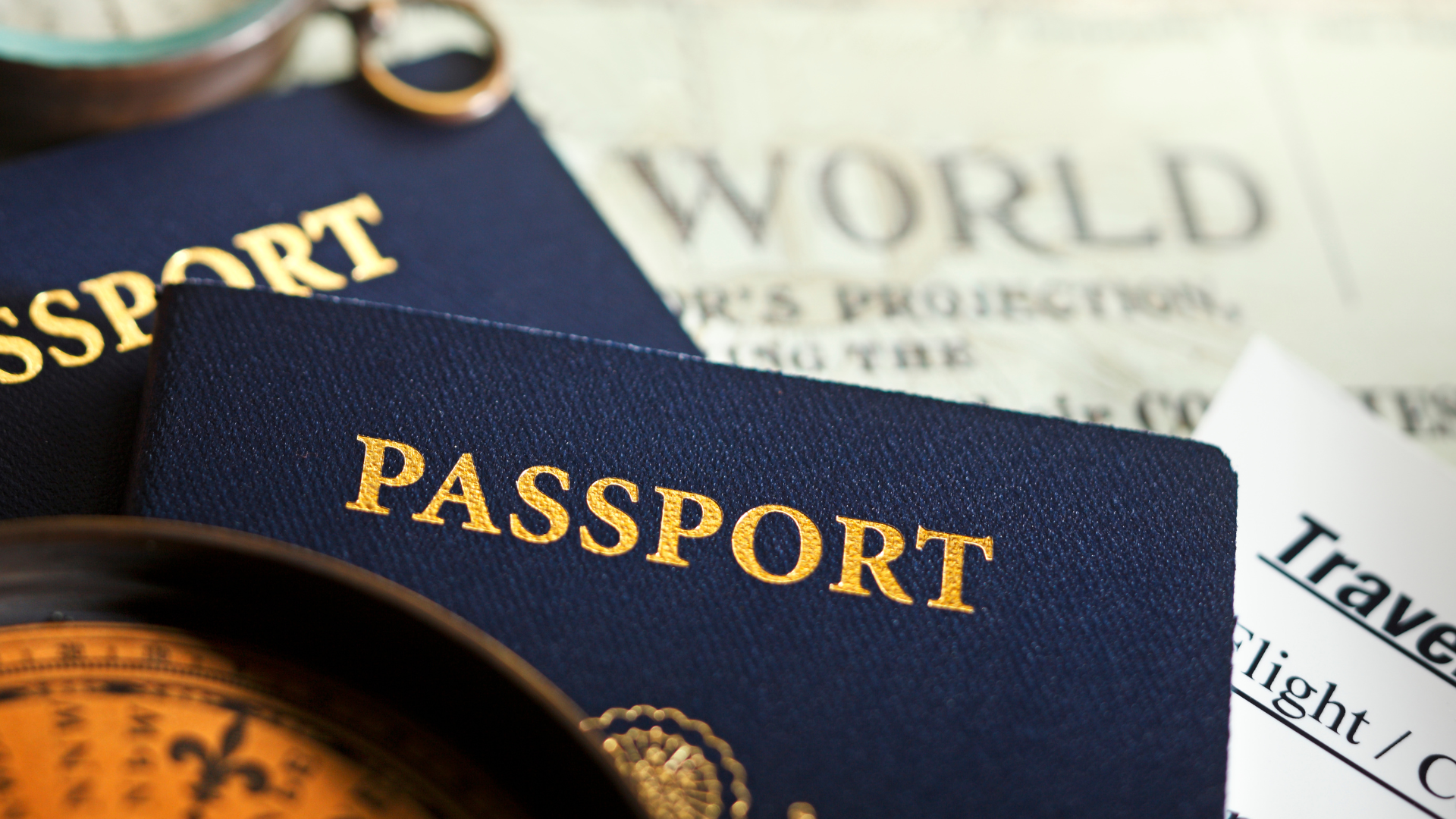
    Losing your passport while abroad can be stressful, but don’t worry—it’s manageable with the right steps. As a study abroad participant, you have additional support to guide you through the process. Here’s what to do if it happens to you.

    1. Inform Your Study Abroad Program Immediately


    Your first step is to contact your program coordinator. We’re here to help and can assist with navigating the next steps, including locating the nearest embassy, finding local resources, and providing important guidance. This ensures you’re not handling the situation alone.


    2. File a Police Report


    In most countries, you’ll need a police report to apply for a replacement passport. Visit the local police station to report the loss or theft, and make sure to get a copy of the report or a reference number. This is an important document for embassy procedures.


    3. Contact Your Embassy or Consulate


    Reach out to the nearest embassy or consulate for your home country. We can help you locate contact information or even assist with scheduling an appointment. The embassy will guide you on replacing your passport and what documents you’ll need to bring.


    4. Gather Replacement Documents


    For a replacement passport, embassies usually require:


    • A Police Report: To confirm the loss or theft.
    • ID or Proof of Identity: If you don’t have physical ID, digital copies of your passport or other documents may suffice.
    • Passport Photos: Some embassies offer this service, but it’s best to bring your own.
    • Proof of Citizenship: Such as a birth certificate or a copy of your old passport.

    If you’re missing key documents, your program coordinator can help you work through alternatives.


    5. Apply for a Replacement Passport


    At the embassy, you’ll complete the required forms, pay a fee, and typically receive a temporary emergency passport. This document will allow you to continue traveling or return home. If needed, it can be replaced with a permanent passport once you’re back in your home country.


    6. Use This as a Learning Opportunity


    To avoid future passport issues, take these precautions:


    Save Digital Copies: Store copies of your passport, visa, and other travel documents in a secure cloud or a password-protected app.

    • Use a Travel Wallet: Keep your passport in a secure spot while traveling, such as a money belt or inner jacket pocket.

    We’re Here for You


    Losing a passport may feel overwhelming, but it’s a solvable issue. With your program’s support and a clear action plan, you’ll be back on track in no time. Remember: you’re not alone in this—we’re here to help every step of the way.